Bitter, Sweet, Homegrown: The British Vermouths Built for Aperitivo Hour
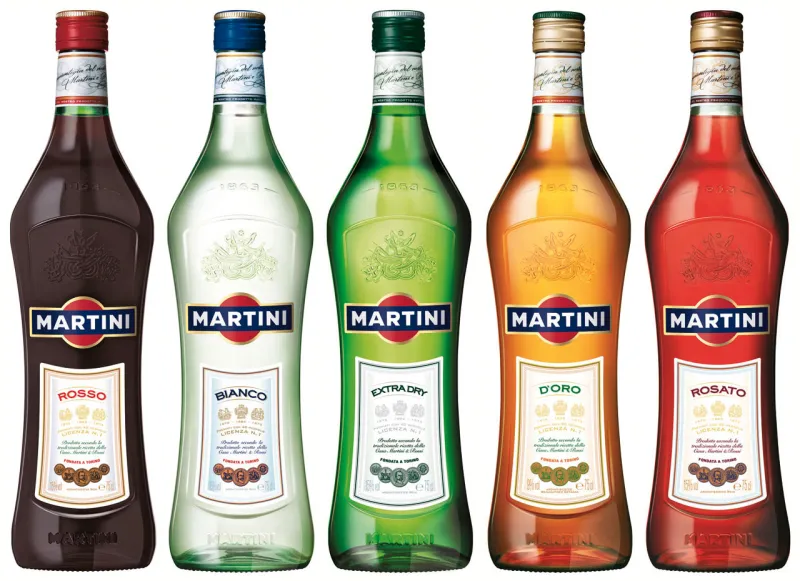
Photo: vermouth served over ice with orange peel on bar counter, via media.winefolly.com
Vermouth has a cupboard problem. Most bottles in Britain are bought for a single purpose — a martini at Christmas, a negroni in July — and then sit at the back, slowly turning into something you would not wish on a guest.
Which is a shame, because vermouth is one of the most useful things you can keep in a fridge: low enough in alcohol for a weeknight, bitter enough to wake up an appetite, and — the part that has genuinely changed — increasingly made here, with British wine, British herbs and British orchard fruit.
What vermouth actually is
Wine, fortified and aromatised. Wormwood, traditionally, plus a secret recipe of herbs, roots, peel and spice. Sweet or dry, red or white or rosé. That is the whole rulebook.
The British angle used to be a technicality: base wine shipped in from Spain or Italy, branding done from a London office. That is shifting. A handful of small producers now work with English wine — Bacchus, Pinot Noir, Chardonnay from Kent, Sussex and Herefordshire — or with cider and perry, and treat aromatisation as a kitchen job rather than a chemistry set.
Not every bottle on the shelf is made from British grapes, and the honest ones say so. What matters is that the recipe is built here, with herbs and fruit someone actually picked and tasted.
Three producers to look out for
Harrow & Vane, Kent makes a white vermouth on a Bacchus base, with hops, lemon peel and a bitter backbone of gentian and wormwood. It smells like a hedgerow after rain and drinks like something you would happily pour into a tumbler at six in the evening on a Tuesday.
Orchard Row, Herefordshire starts with cider apple and perry pear, then builds a rounder, sweeter style around them: baked apple, clove, a lick of caramel. Chill it hard and serve it with a slice of something sharp.
Saltmarsh Botanicals, Norfolk goes coastal — sea buckthorn, fennel, a saline edge. It is the one bottle here that genuinely suits a plate of oysters, and the one that persuades sceptics most quickly.
There are others: a Perthshire producer working with heather and rowan, a Bristol outfit built on a Somerset cider base. The category is growing fast enough that a decent independent wine shop will now have three or four to choose from.
How to drink it without a shaker
The cocktail is not the point. Vermouth is a drink.
Vermouth and tonic. Equal parts, plenty of ice, orange peel expressed over the top. This is the single best use of a bottle and the closest thing Britain has to a national aperitivo.
On its own, over ice. A splash of soda if the sweetness feels like too much. Fifteen minutes before dinner, with nothing else to do and no one to impress.
As a spritz. British sparkling wine, a measure of vermouth, soda, a green olive. Cheaper and far more interesting than most prosecco-based drinks.
With food. Salty things mostly: crisps, olives, cured ham, radishes with butter, a wedge of hard cheese. Sweet styles handle blue cheese and fruit tarts; dry styles handle shellfish and anything fried.
In the kitchen. Deglaze a pan of pork chops, loosen a risotto, poach rhubarb, splash into a stew that needs bitterness. It behaves far better in cooking than it does in a glass.
A shortlist for the everyday shelf
- Harrow & Vane Dry White (around £22) — hops, citrus peel, gentian. Tonic and a fat strip of orange.
- Orchard Row Sweet Red (around £19) — cider apple, clove, soft caramel. Chilled, with a slab of fruit cake.
- Saltmarsh Coastal Vermouth (around £24) — sea buckthorn and fennel, bracing and saline. Oysters or salted almonds.
- A Bristol cider-base bianco (around £18) — light, floral, dangerously easy over ice with lemon.
- A Perthshire heather vermouth (around £26) — honeyed, herbal, faintly smoky. The bottle for the end of a long Sunday lunch.
The one rule
Buy it, open it, keep it in the fridge and drink it within six weeks. Vermouth is wine, and wine does not improve once the cork is out and the bottle has been warming on a shelf since last Christmas. Write the date on the label. Then get on with it — aperitivo hour needs no shaker, no tweezers and no excuse.