Steam, Salt and a Lick of Jam: Inside Britain's Porridge Renaissance
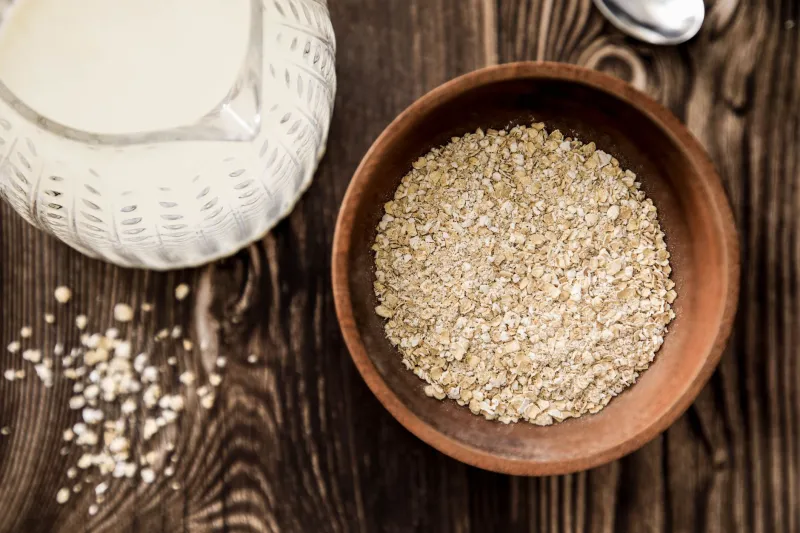
There is a moment, somewhere between the first properly cold morning of November and the third cup of tea, when porridge stops being a chore and starts being the point. The steam curls up off the bowl, the kitchen window fogs, and a spoonful of jam slides into the middle like a small, sweet secret. In 2026, porridge is no longer the virtuous option you eat because you should. It is the winter breakfast you eat because you want to.
That shift has been a long time coming. For years, porridge was sold to us as fuel: cheap, slow-release, sensible. It was the breakfast of people with spreadsheets and gym memberships. Somewhere along the line, we forgot that oats have a nutty sweetness, a satisfying chew and a talent for carrying cream, salt and jam. The Scots never forgot, of course. But south of the border, porridge is finally being treated less like a health food and more like what it has always been: a quiet, everyday indulgence.
The end of the worthiness problem
The best porridge is not a neutral substance. It is a dish with opinions. It wants salt. It wants butter. It wants cream, or at least whole milk, and it wants a topping with a bit of acid or bitterness to cut through the richness. The old fear of porridge was that it would be bland and gluey. The new approach is to cook it like risotto: toast the oats first, add liquid gradually, season as you go, and finish with something cold and generous.
A spurtle, the traditional Scottish stirring stick, is lovely but not essential. What matters is patience. Rolled oats need five minutes and a gentle hand. Pinhead or steel-cut oats need twenty and a longer soak. Jumbo oats need to be toasted in a dry pan until they smell like a biscuit tin before any liquid goes near them. These are small acts of care, and they turn a 30p breakfast into something that feels like a treat.
The millers making the difference
Britain has a quiet network of oat millers who have been doing this work for generations, and their product is having a moment. Mornflake, the Cheshire family miller, has been milling oats since 1675, which is long enough to have seen a few breakfast trends come and go. Its jumbo oats are a useful benchmark: sturdy, sweet and slow to soften. Hamlyns of Scotland, based in Banffshire, makes porridge oats and oatmeal with a texture that suits both the weekday microwave and the weekend saucepan. Pimhill, in Shropshire, has built a following for organic oats grown with a care that shows in the flavour. And Stoats, the Edinburgh porridge maker, has done more than most to make the bowl feel like a proper food destination rather than a penitential start to the day.
These are not luxury goods in the grand sense. A bag of good oats still costs less than a coffee. But the difference between a supermarket own-brand and a specialist miller is real, especially if you eat porridge several times a week. The specialists tend to leave more of the oat intact, which means more chew, more nuttiness and less of the pasty collapse that gives porridge a bad name.
Supermarket versus specialist: a morning tasting
We cooked six bowls side by side on a grey Tuesday, using the same pan, the same water-to-oat ratio and the same pinch of salt. The supermarket rolled oats were consistent and quick, softening in about five minutes. They made a perfectly decent bowl, especially with a knob of butter and a spoonful of marmalade. But they lacked the toasted flavour of the specialist jumbo oats, which held their shape and gave the porridge a pleasing, almost barley-like chew.
The pinhead oats were the revelation. Soaked overnight and simmered slowly, they turned into something closer to a savoury pudding, with a dense, nutty texture that stood up to cream and honey without turning to mush. They take longer, and they demand attention. But on a Sunday morning, with the radio on and nowhere to be, that is hardly a hardship.
The honest conclusion? The oats matter, but the company they keep matters more. A supermarket own-brand with proper cream, a little salt and a good jam will beat an expensive specialist oat drowned in water and eaten in a hurry. Buy the best oats you can justify, then spend your money on the cream.
Toppings worth setting an alarm for
Toasted oats, salted honey and cold cream. Toast jumbo oats in a dry pan until they smell nutty, then cook as normal. Finish with a drizzle of honey that has a pinch of sea salt stirred through it and a generous pour of cold single cream. The temperature contrast is the whole point.
Damson or blackberry jam with crème fraîche. A spoonful of good jam is not a compromise; it is the reason porridge exists. Choose something sharp and fruity, then add a dollop of crème fraîche for tang. The jam melts into the hot oats and creates dark, sweet pockets.
Stewed rhubarb with stem ginger. Rhubarb cooked with a little sugar and a knob of ginger is a bright, pink counterpoint to creamy oats. It is also a useful way to use up the last of the freezer stash from summer.
Brown butter and banana. Melt butter until it smells like hazelnuts, pour it over the bowl and add sliced banana. A pinch of flaky salt on top makes it feel like a dessert that has accidentally become breakfast.
Marmalade and toasted walnuts. A bitter Seville marmalade cuts through the cream, and toasted walnuts add crunch. It is a very British combination, and it works.
The quiet indulgence
Porridge is not going to compete with a croissant for drama. It does not photograph as well as a stack of pancakes, and it will never be the thing you order in a restaurant because you want to impress someone. But that is precisely its appeal. It is the breakfast that asks for a little attention and gives back a lot of comfort. It is cheap enough to eat every day and good enough to look forward to. And in a month when the mornings are dark and the news is loud, a bowl of oats with cream and jam is a small, reliable pleasure. That is not worthiness. That is indulgence, quietly done.