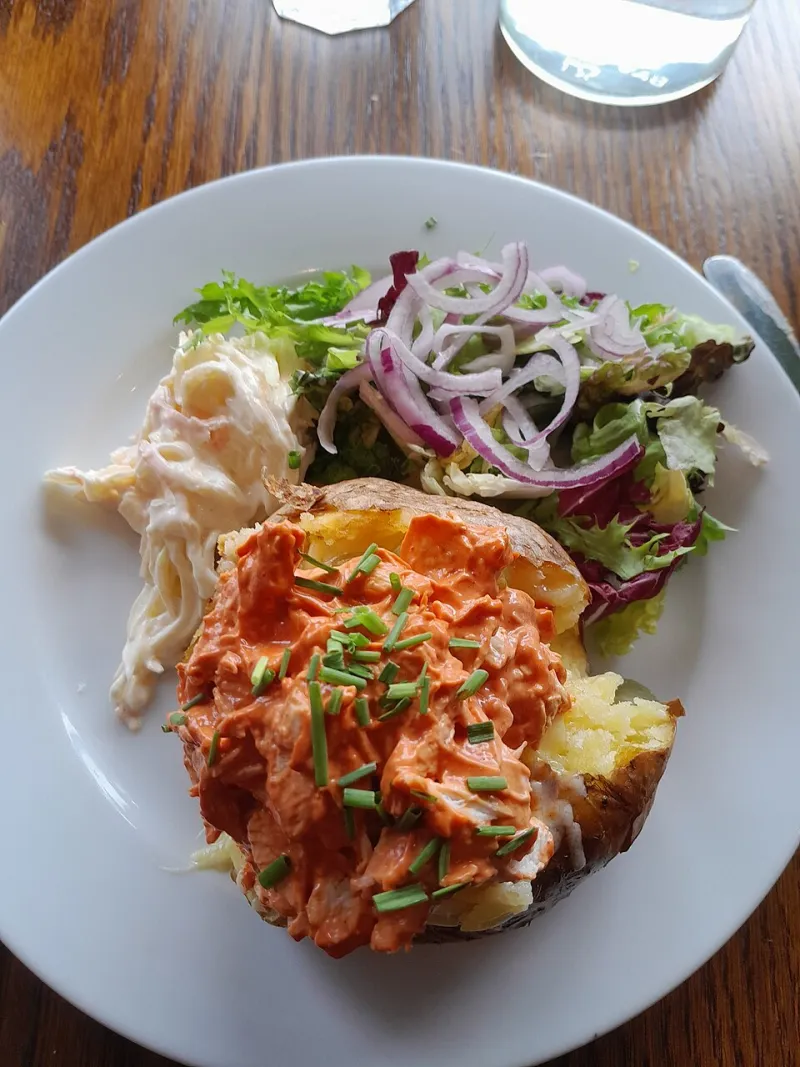
Twelve Pies, Twelve Detours: Britain's Cold-Weather Pastry Trail
Winter motorways have a smell: weak coffee, wet anorak and the faint promise of a pasty under a heat lamp. That is the moment a pie stops being lunch and becomes a mission. Britain is very good at pies, but we do not always give them the credit. A proper pie — hot, hand-raised or crimped at the edge — is everyday indulgence at its most useful. It warms your hands, settles your stomach and gives a cold-weather drive a purpose beyond getting there.
This is not a league table. It is a pastry trail: twelve regional pies that justify an early start, a minor detour and a thermos. The test is simple. Does the pastry do its job? Is the filling seasoned like someone cared? Can you eat it hot, standing up, without needing a knife and fork or a dry cleaner? And does the drive home feel better for having stopped?
The rules of the road
A few practicalities before you set off. Pies are best eaten close to where they are made, ideally within sight of the counter that sold them. Hot pies need air; a paper bag is fine, a sealed plastic box is a steam trap. If you are buying for later, let them cool before wrapping. And do not treat the motorway service station as the finish line. The exit slip is where the good stuff starts.
Melton Mowbray pork pie, Leicestershire
The granddaddy, and the one that refuses to be rushed. A proper Melton Mowbray pork pie is hand-raised, with a coarse, peppery filling and a thin layer of jelly that should wobble, not flood. The pastry should be crisp and slightly sturdy, the colour of pale straw. Eat it at room temperature, not hot, with a sharp pickle and maybe a pint of something local. Where to find it: the butcher counters and bakeries of Melton Mowbray, ideally before noon. Detour factor: high if you are anywhere near the A1 or M1.
Yorkshire steak-and-ale pie
The pub classic that separates a good kitchen from a microwave. Look for chunks of beef rather than mince, a gravy that clings to the meat, and a lid that has gone properly golden. Ale should be a background note, not a bitter shout. Eat it hot, in a pub with a fire and a floor that slopes. Ask whether the pie is made in-house; if the answer is a long pause, order the fish. Detour factor: medium, but the right pub makes it worth it.
Cornish pasty
The crimp is the tell. A proper Cornish pasty has a thick, rope-like edge, a filling of beef skirt, potato, swede and onion, and enough pepper to wake you up. It should be eaten hot from a bakery, out of the bag, while walking. The pastry should be firm enough to hold, not so thick that it tastes like a wall. Where to find it: Cornwall, obviously, but good versions turn up in bakeries across the South West. Do not call a chicken-and-pea crescent a Cornish pasty. Detour factor: very high, especially on a grey day.
Forfar bridie
Angus gives us the bridie: a half-moon of suet pastry filled with minced or chopped steak and onion, sometimes a little pepper, no potato. It is simpler than a pasty and all the better for it. Eat it hot from a Forfar baker, or warm it through at home. The pastry should be short and a little crumbly, the filling juicy without leaking. Where to find it: bakeries in and around Forfar, and good butchers across Angus. Detour factor: high if you are heading north.
Scotch pie
A double-crust pie with hot-water pastry, a dense filling of mutton or beef, and a generous hand with pepper. It is not a delicate thing. It is a football-ground pie, a bakery-counter pie, a pie you eat with beans or chips and no apology. The pastry should be sturdy enough to hold in one hand. Eat it hot. Where to find it: bakeries across Scotland, from Glasgow to Aberdeen. Detour factor: medium, but the good ones are worth a stop.
Lancashire butter pie
Potato, onion and butter, wrapped in pastry and baked until the filling is soft and sweet. It is a simple, old-fashioned pleasure, and it makes a strong case for the pie as a vegetarian everyday indulgence. Eat it hot, with a little mustard or pickle on the side. The pastry should be short and golden, the filling generous. Where to find it: Lancashire bakeries, market stalls and proper pubs. Detour factor: medium; excellent on a wet Saturday.
Bedfordshire clanger
The original packed lunch: a suet pastry roll with a savoury filling at one end and a sweet one at the other. Think steak and onion at one end, apple or jam at the other. Eat it warm, sliced in half, or cold from a rucksack. The pastry should be soft but not doughy, and the sweet end should not taste like an afterthought. Where to find it: Bedfordshire bakeries and farm shops. Detour factor: medium, with a decent walk attached.
Cumberland sausage pie
Cumbria in a crust. Coarse sausage meat, sage, pepper and a little gravy, baked until the top is crisp. It is a butcher-shop pie rather than a pub pud, and it rewards a stop at a proper counter. Eat it hot, with brown sauce, standing up. The filling should be well seasoned and not too tight. Where to find it: butchers and bakeries across Cumbria. Detour factor: high if you are on the M6 and the weather is doing its worst.
Stilton and steak pie
The East Midlands has a talent for turning blue cheese into gravy. A good Stilton and steak pie is rich, salty and slightly sharp, with chunks of beef and a pastry lid that can take the weight. Eat it hot, in a pub, with a glass of something dark. The cheese should be a seasoning, not the whole personality. Where to find it: Derbyshire, Leicestershire and Nottinghamshire pubs. Detour factor: medium; best as a lunch stop.
Welsh lamb and leek pie
Lamb shoulder, soft leeks and rosemary in a thick gravy, under a golden lid. It is a Sunday lunch in a pie, and it works best when the meat is cooked until it gives way. Eat it hot, with mint sauce on the side if you must. The pastry should be short and buttery. Where to find it: Welsh pubs, bakeries and farmers markets. Detour factor: medium, but worth it for a proper sit-down.
Arbroath smokie pie
A niche joy: smoked haddock, cream and sometimes potato in a pastry case. The smokiness should be gentle, not a punch in the face. Eat it hot, from a bakery or a fishmonger that knows what it is doing. The filling should be loose enough to be creamy but not runny. Where to find it: Angus, especially around Arbroath. Detour factor: high for fish lovers; medium for everyone else.
Fife macaroni pie
The final stop on the trail is a Scottish bakery classic: macaroni cheese in a pastry case, baked until the top is crisp and the middle is molten. It is carb on carb, comfort on comfort, and exactly what a cold day asks for. Eat it hot, ideally with a cup of tea. The pastry should be thin and crisp, the pasta well coated. Where to find it: bakeries across Fife and the wider east coast. Detour factor: medium, but the novelty is real.
How to build a pie day out
Pick one region, not all twelve. A pie crawl should be a gentle amble between two or three towns, not a race. Start early, buy a cold pie for later, then find a hot one for lunch. Bring a cloth bag, a bottle of water and a friend who does not mind eating in the car. Check opening hours: butchers close early, bakeries sell out, and Sunday is a lottery. And leave room for a second pie. The best ones never taste as good from a service station.
In 2026, the motorway will still be there. The pie is the reason to leave it.