The £9 Miracle: Why Britain’s Caffs Are 2026’s Smartest Indulgence
The counter argument
There is a moment, somewhere between the first sip of builder’s tea and the arrival of a plate that is technically too full, when the British caff makes perfect sense. Not as nostalgia. Not as a cosy museum exhibit. As a straightforward, good-value indulgence in a year when going out for breakfast has started to feel like a mortgage application.
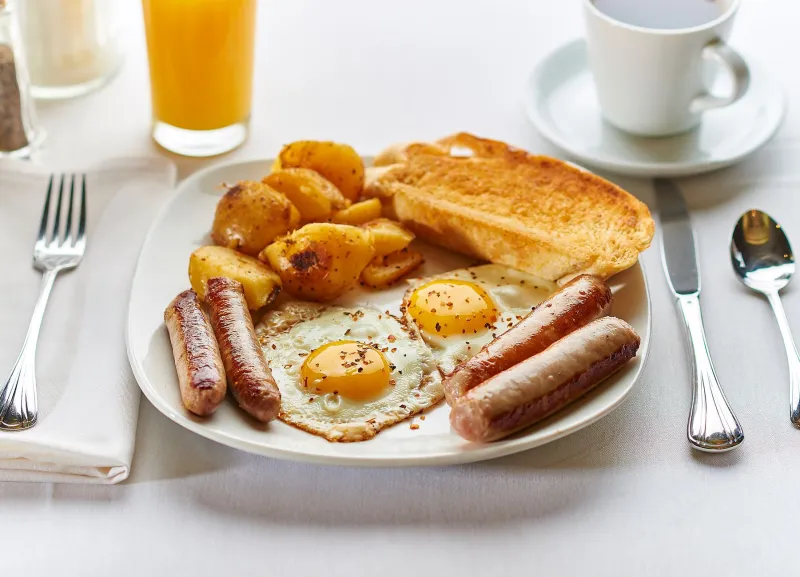
In 2026, the average brunch plate in a city centre can comfortably nudge £18 before coffee. A caff full English — bacon, sausage, egg, beans, tomato, mushrooms, toast and a mug of tea — can still land at £9, sometimes less. That is not a race to the bottom. It is a quiet bit of kitchen economics, stubbornness and loyalty, and it deserves more attention than it gets.
Five caffs, five plates
The Thistle, Glasgow
A narrow room off a side street, all wipe-clean menus and radio chatter. The full breakfast is £8.90 with tea. Owner Marie McAllister says the gas bill is the thing that keeps her awake. “We changed the fryers, we changed the hours, but I won’t change the plate,” she says. Regulars include Danny, 68, who has ordered the same thing every Tuesday for 11 years: two eggs, bacon, sausage, beans, one slice of fried bread. “It’s the only place I don’t feel rushed,” he says.
Maggie’s Spoon, Leeds
A market-side caff with a queue by 8.40am and a black pudding that converts doubters. The full English is £9.20, tea included. Owner Sam Patel has absorbed rises in eggs, butter and bacon since 2022 by trimming extras rather than shrinking the core plate. “People notice if you take away a sausage,” he says. “They don’t notice if the menu gets shorter.” The loyal order is bacon, egg, black pudding, beans and a buttered white roll on the side.
Nell’s Corner, Birmingham
A proper neighbourhood caff with a laminated sign saying no laptops at peak breakfast. The full English is £8.50; add a mug of tea for £1.20. Owner Nell Harris says the secret is volume and a short menu. “We do breakfast, sandwiches and three hot lunches,” she says. “That’s it. The more things you cook, the more things cost you.” Her regulars are a mix of hospital staff, bus drivers and retired couples who split one plate and order two teas.
The Dock Caff, Cardiff
The bacon is crisp, the laverbread is optional and the tea comes in a mug that could double as a small bucket. Full English: £9.50. Owner Rhys Bowen says the caff survives because it owns its building and does not chase trends. “We’re not on a delivery app, we don’t do avocado, and we don’t take bookings,” he says. “That keeps the price honest.” A table of dock workers next to us ordered four plates and four teas and still got change from £50.
The Harbour Fry, Whitby
Sea air, a counter full of condiments and a breakfast that arrives with toast already buttered. Full English: £9.00. Owner Linda Cope has run the place since the 1990s and says the biggest change is not demand but supply. “The bacon is dearer, the eggs are dearer, and everyone wants oat milk now,” she says. “But the regulars keep coming, so we keep the plate the same.” Her tip: ask for the toast well done and dip it in the egg yolk.
Why costs bite but prices don’t
Every owner I spoke to mentioned the same three pressures: energy, ingredients and staff. Eggs and butter have been volatile since 2022; bacon prices have been stubborn; hospitality wages have risen. Caffs do not have the cushion of a wine list or a £12 cocktail. Many survive on turnover, short menus and loyal regulars who come three times a week.
The £9 full English is not magic. It is a design choice. Caffs use cheaper cuts, simpler plating and fewer staff. They do not pay for linen, mood lighting or a social media manager. They also tend to be smaller, which means less waste. When a caff puts a breakfast on the menu, it knows it will sell 80 of them before lunch. That predictability is worth more than a fancy garnish.
How to order the perfect full English for under a tenner
- Check what is included. A “full English” can mean anything from four items to eight. The best value is often the set breakfast with tea, not the build-your-own option.
- Choose two proteins, not four. Bacon and egg, or sausage and black pudding. Adding everything pushes the price up and turns the plate into a pile.
- Ask for the toast dry and butter it yourself. It sounds fussy; it stops the toast going limp before the eggs arrive.
- Be specific about eggs. Ask for runny yolks or hard yolks. A good caff will not mind.
- Skip the orange juice. A £3.50 glass is where the value leaks. Tap water or tea is the caff move.
- Sit at the counter if there is one. You will get the plate faster, and you will hear the kitchen telling you when it is ready.
The value test
The £9 full English is not cheap. It is honest. It is a plate of food cooked by someone who knows exactly how many they will serve today, in a room where the priority is the food rather than the lighting. In 2026, that feels less like a throwback and more like a sensible way to indulge.
So yes: the caff is back. Not because it ever went away, but because the rest of the breakfast market has drifted so far from £9 that the humble caff now looks like the smartest plate in town.